Mirella Bentivoglio
L'altra faccia della luna
A cura di: Paolo Cortese e Davide Mariani
L'Ambasciata d'Italia ad Atene, l'Istituto Italiano di Cultura di Atene e la Galleria Gramma_Epsilon sono lieti di presentare: Mirella Bentivoglio. L'altra faccia della luna, che sarà inaugurata l'8 marzo 2022, in occasione della Giornata internazionale della donna.
The exhibition, created in collaboration with the Mirella Bentivoglio Archive in Rome, pays homage to this influential Italian artist in the centenary of her birth. It is the first time a retrospective dedicated to Mirella Bentivoglio (Klagenfurt 1922 - Rome 2017) has been hosted in Greece.
The Italian Ambassador in Athens, Patrizia Falcinelli, declared: “Through this exhibition, we want to give the Greek public the opportunity to get to know the extraordinary personality of Mirella Bentivoglio, an artist and multifaceted personality, who is one of only a few who have inspired the Italian and international art scene. We chose to inaugurate the exhibition on the occasion of International Women's Day, 8th March 2022, which is of course no coincidence: our intention is to pay homage to Mirella Bentivoglio not only for the intrinsic artistic value of her work, but also for the example she has set for hundreds of artists, and for everything she has done during her long career to promote female art.”
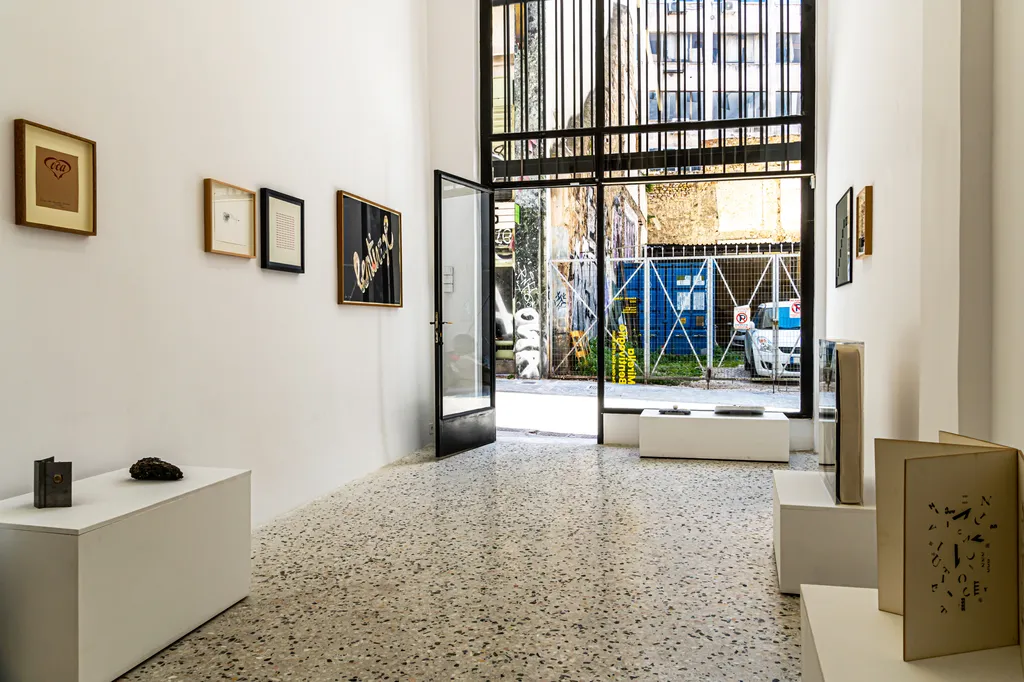
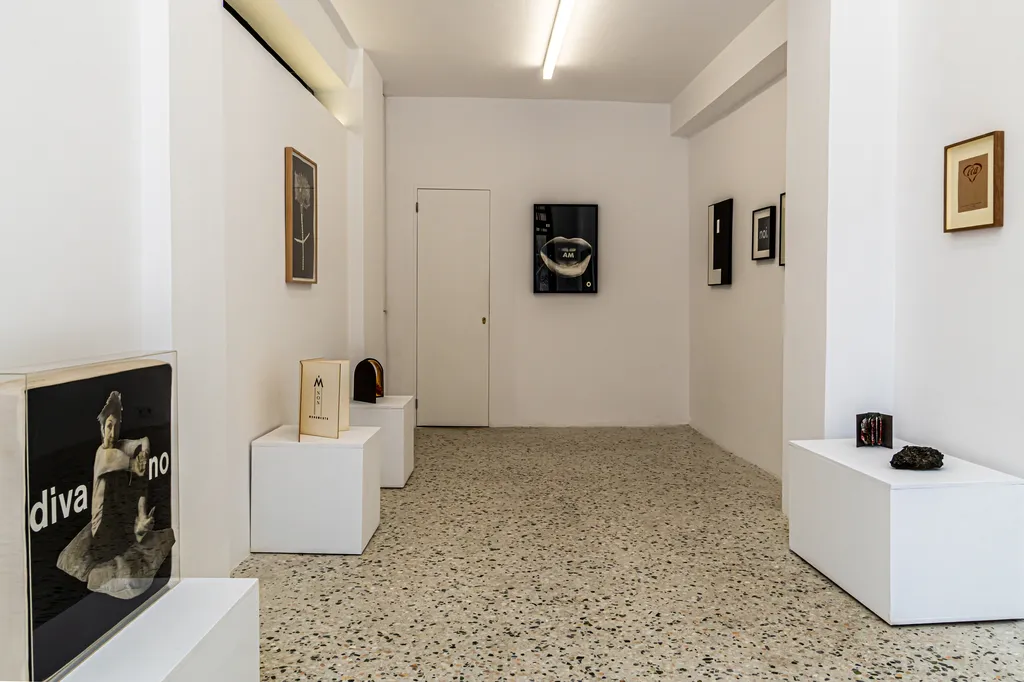
The exhibition, curated by Paolo Cortese and Davide Mariani and first held in the museum dedicated to Maria Lai in Sardinia in 2021, highlights the depth and complexity of Bentivoglio’s poetry, and includes more than fifty works, photos, videos and drawings that not only illustrate the most significant periods of her curatorial and artistic career, but also invite reflection and dialogue on subjects that are still currently relevant.
From concrete poetry to visual poetry
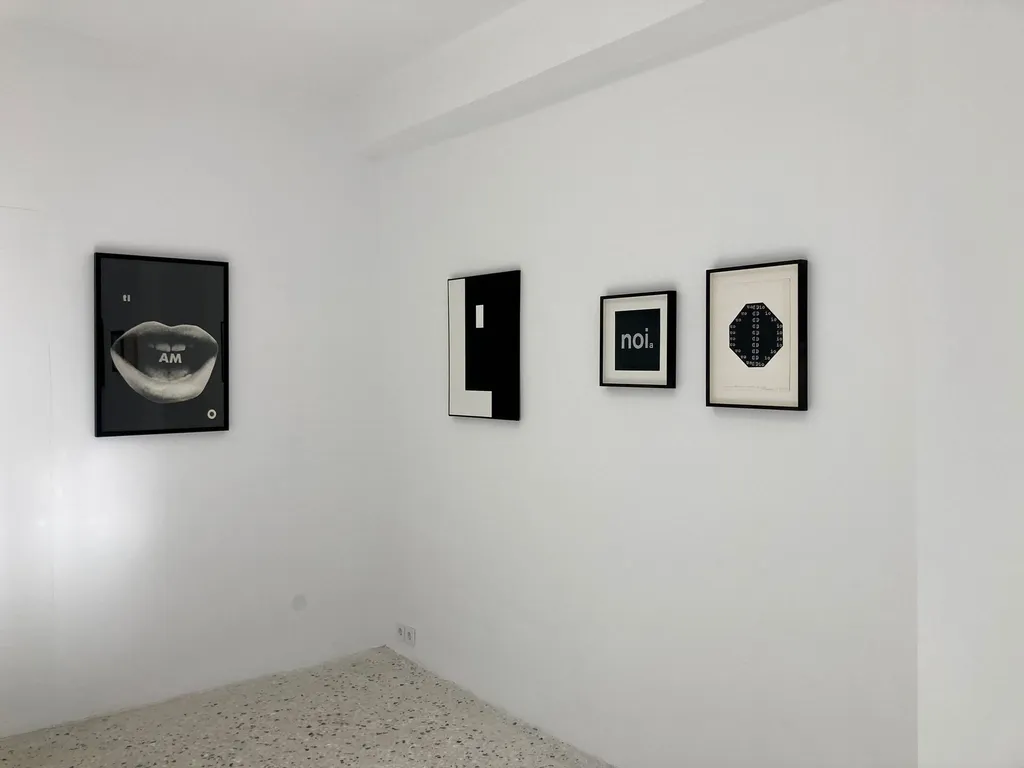
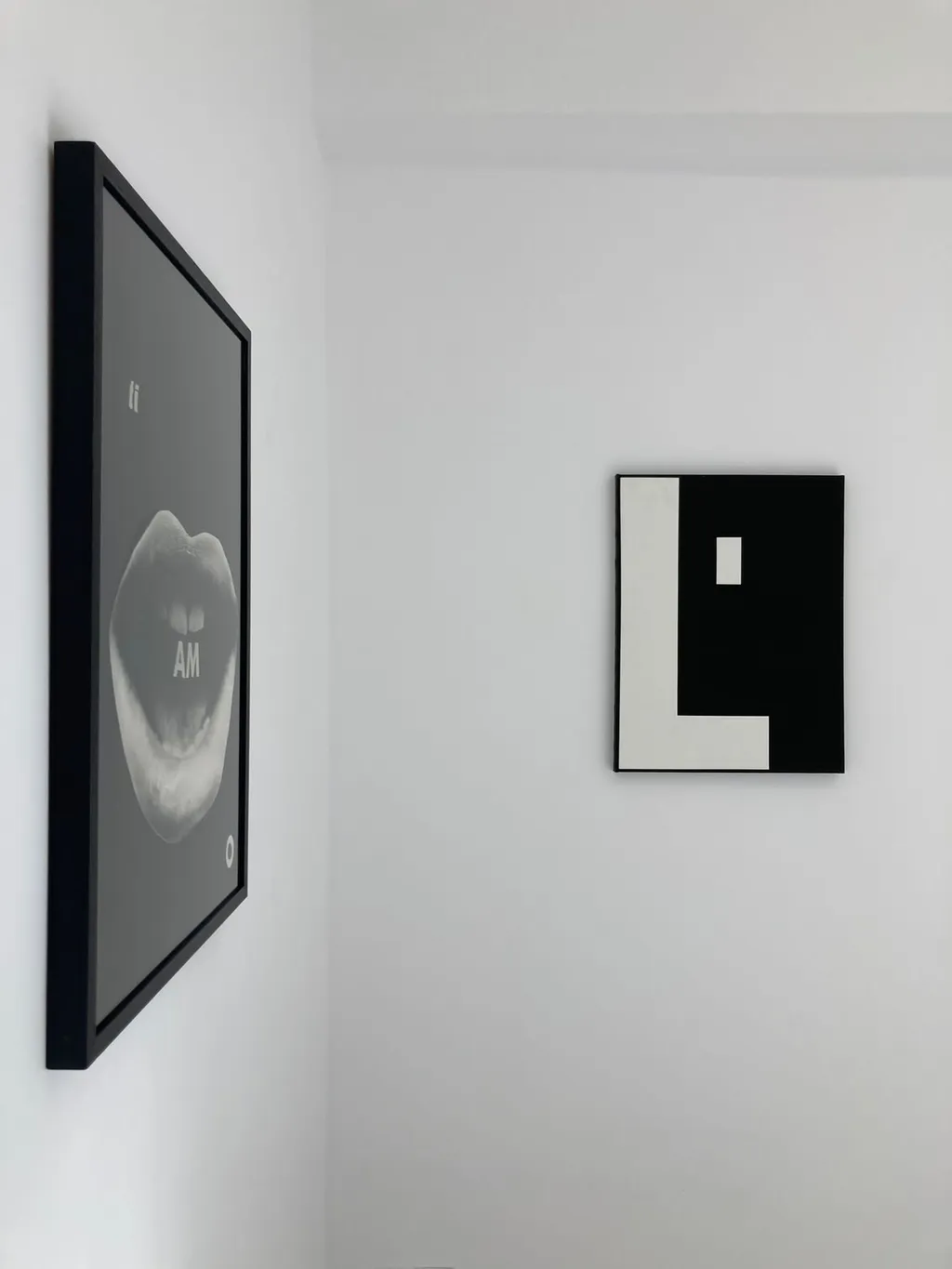
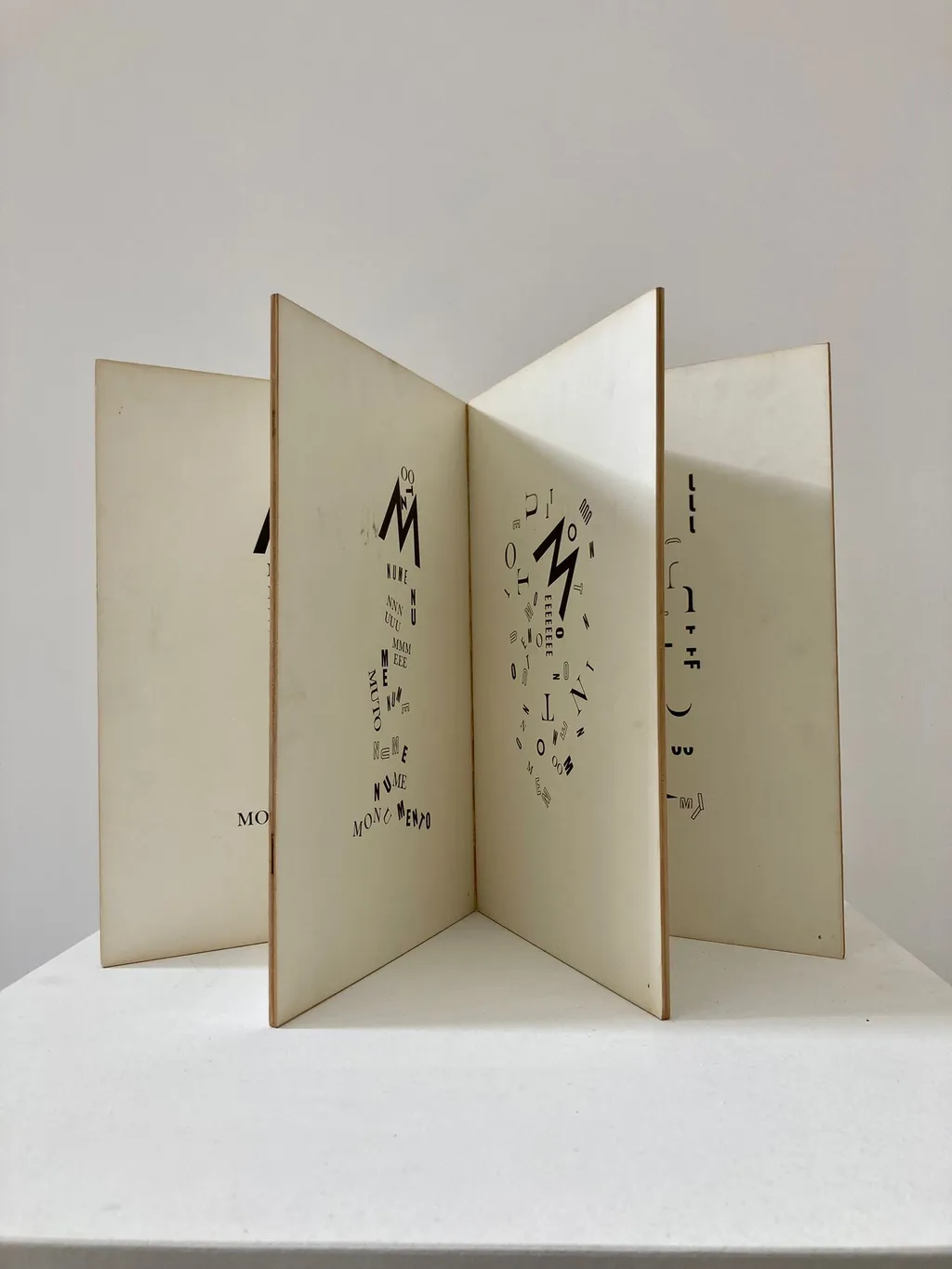
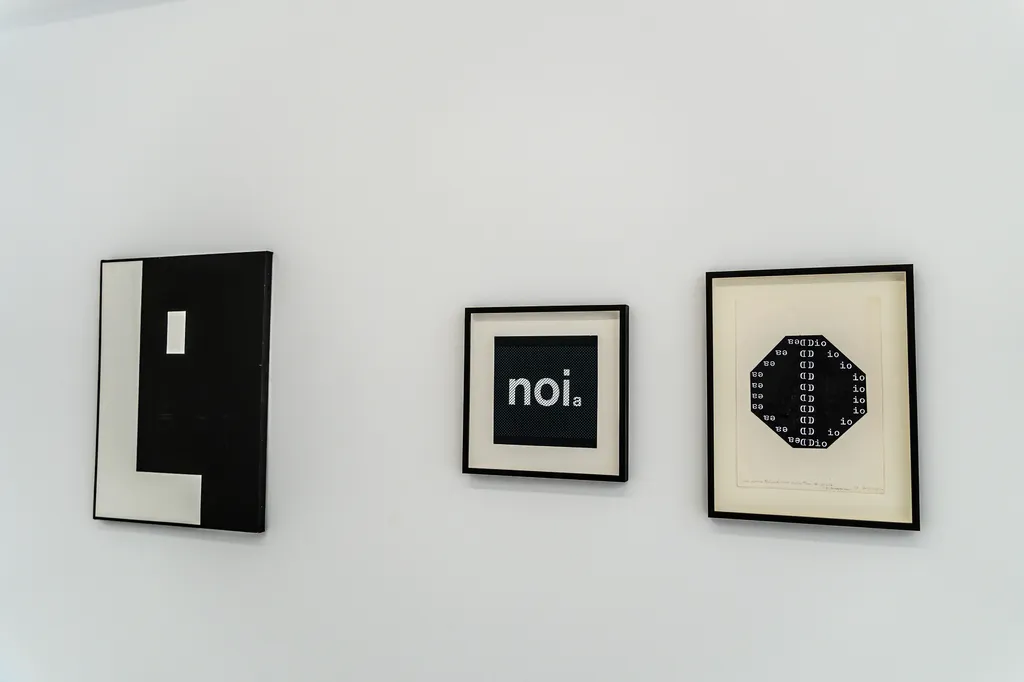
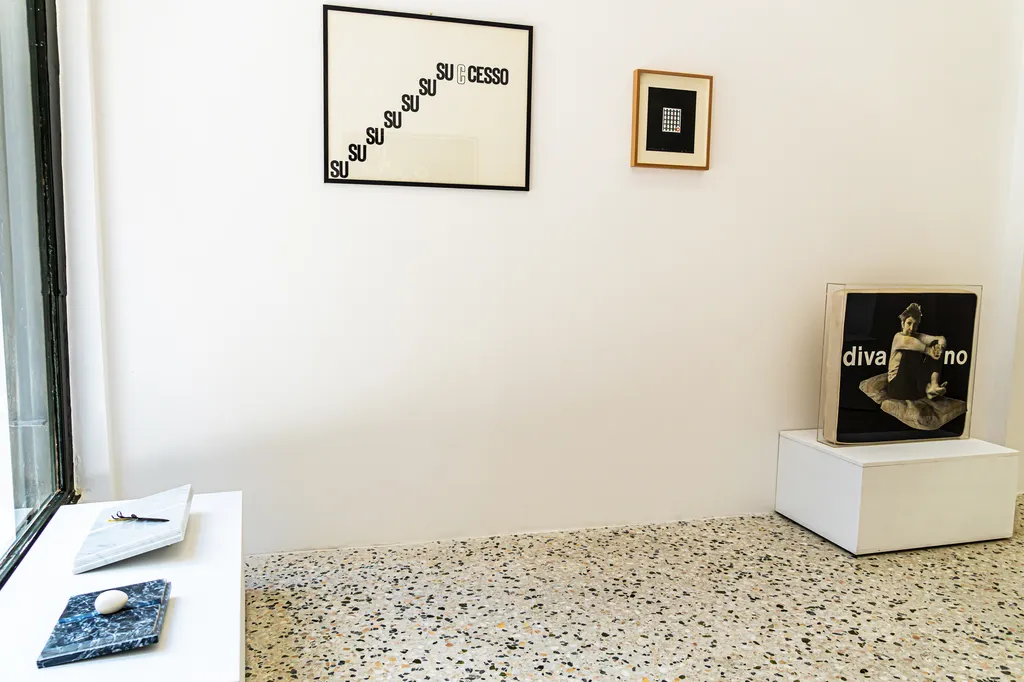
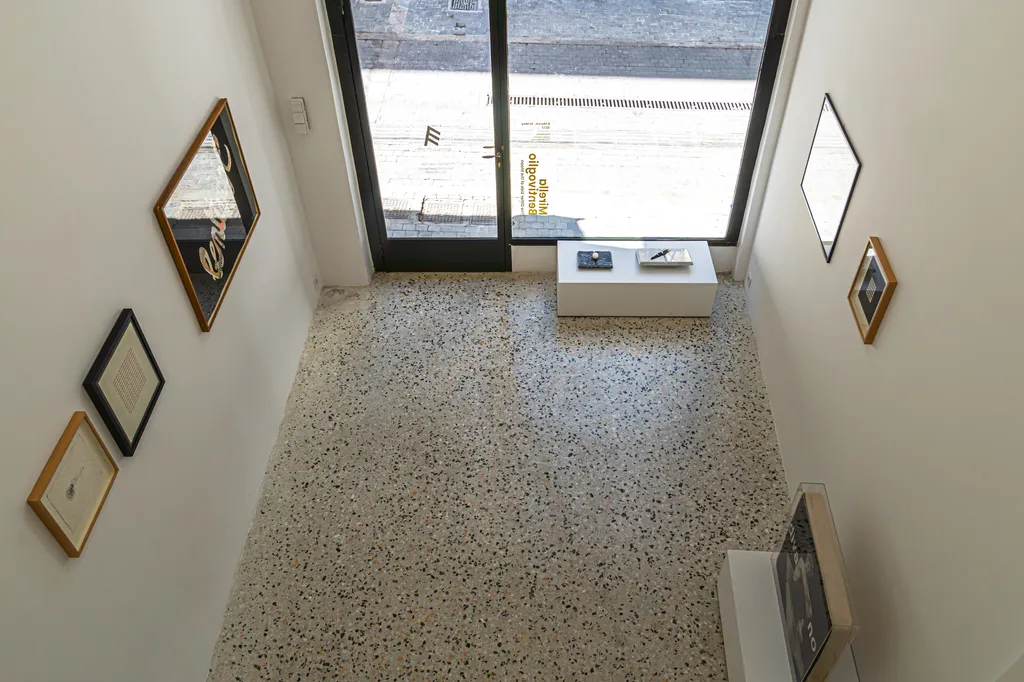
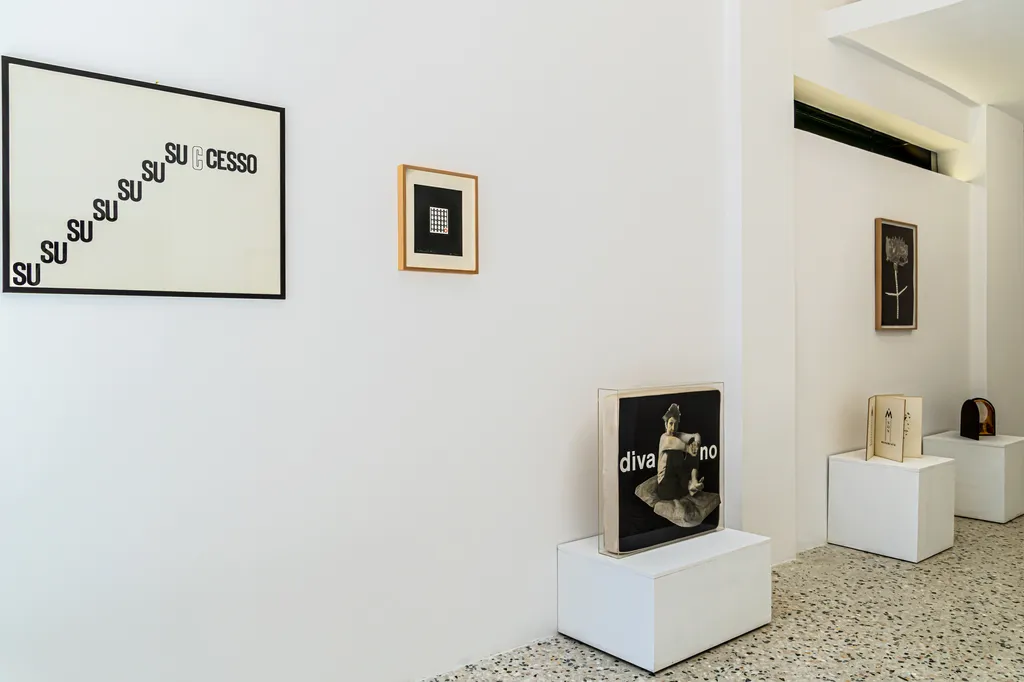
Spread over two venues, the Italian Cultural Institute and the Gramma_Epsilon Gallery in Athens, the collection traces key stages in Mirella Bentivoglio’s biography and artistic journey. It starts with her experimental work in the 1960s and 1970s, when she was mainly involved in Concrete poetry, where meaning is transmitted through the shape of the composition of words and letters of the alphabet, such as ‘Story of Monument’ (Storia del monumento), created with Annalisa Alloatti in 1968, ‘Cage (I have)’ (Gabbia HO,1966-70), ‘Success’ (Successo,1969). Her Visual poetry followed, characterized by the introduction of slogans and elements of pop culture, such as her renowned ‘I love you’ (Ti amo,1970).
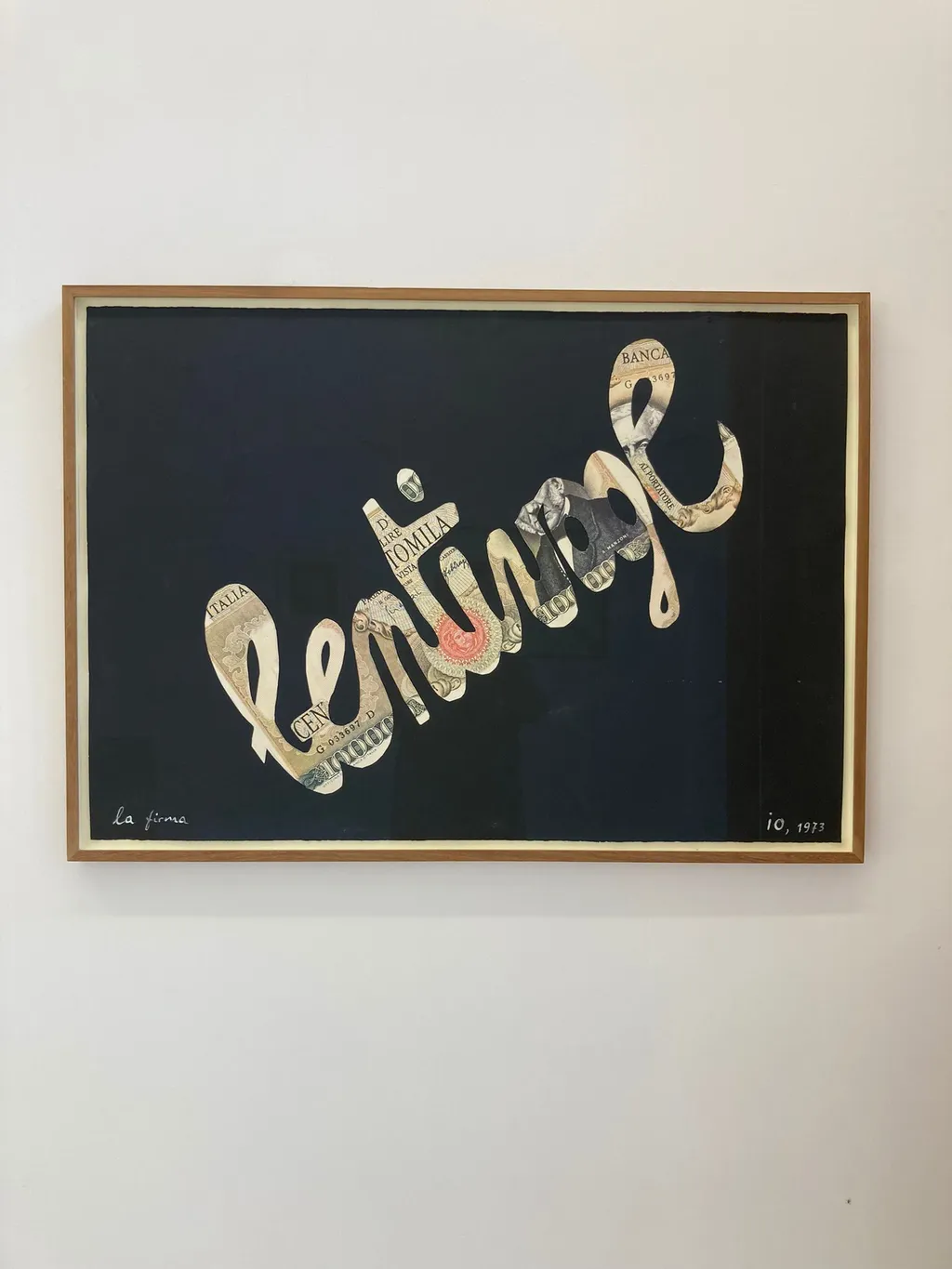
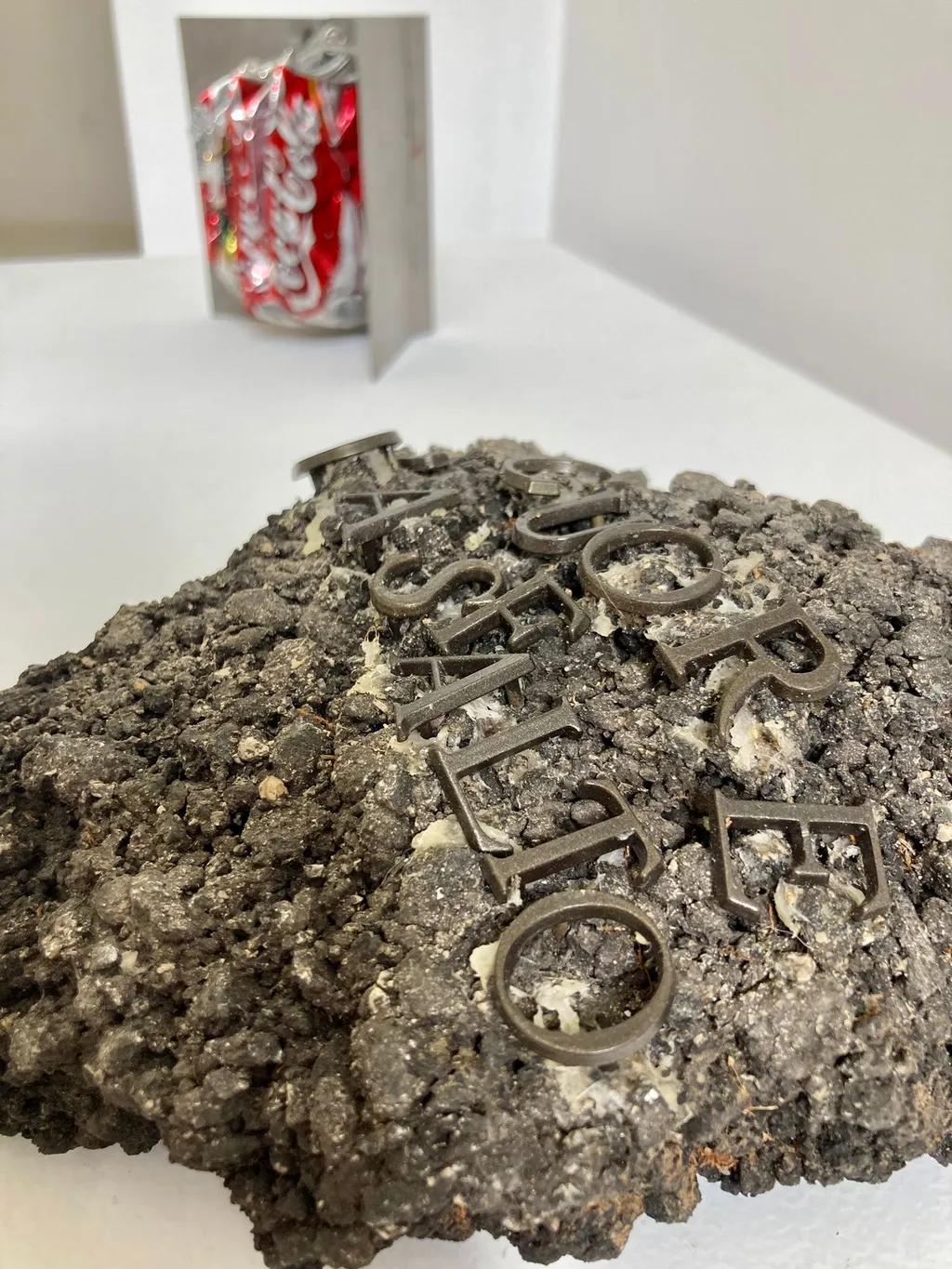
Many of her works in those years explore aspects of modern society, such as consumerism, which she openly and fervently criticized, as seen in ‘The consumed consumer’ (Il consumatore consumato,1974) or ‘Heart of the obedient female consumer’ (Il cuore della consumatrice ubbidiente,1975), and her witty interpretation of the coca cola logo: “I noticed that by placing the two ‘C’s opposite each other to make a heart shape – and their shape alone made this possible (I did not have to change anything), the ‘oca’ (goose) appeared of its own accord”, affirmed Bentivoglio in one of her last interviews in which she identified the ‘female-goose’ as a principal ally of consumerism.
The exhibition also documents her main environmental interventions from the mid 1970s. The most notable of these were: ‘Egg of Gubbio’ (L’Ovo di Gubbio 1976), ‘Poem to a Tree’ (Poesia all’albero,1976), ‘And=conjunction: head-on collision, immobilizing locking’ (E=congiunzione: Scontro frontale, Incastro immobilizzante,1978-81), ‘An ‘E’ of ‘E’s’, (Una “E” di “E”,1979-1981), ‘Operation Orpheus’ (Operazione Orfeo,1982) and ‘Field-book, Agri-culture’ (Libro campo, Agri-cultura,1998). The strong symbolism and identity connotations in each work carry the potential to create new and meaningful relationships with the surrounding landscape.

Il tocco femminile
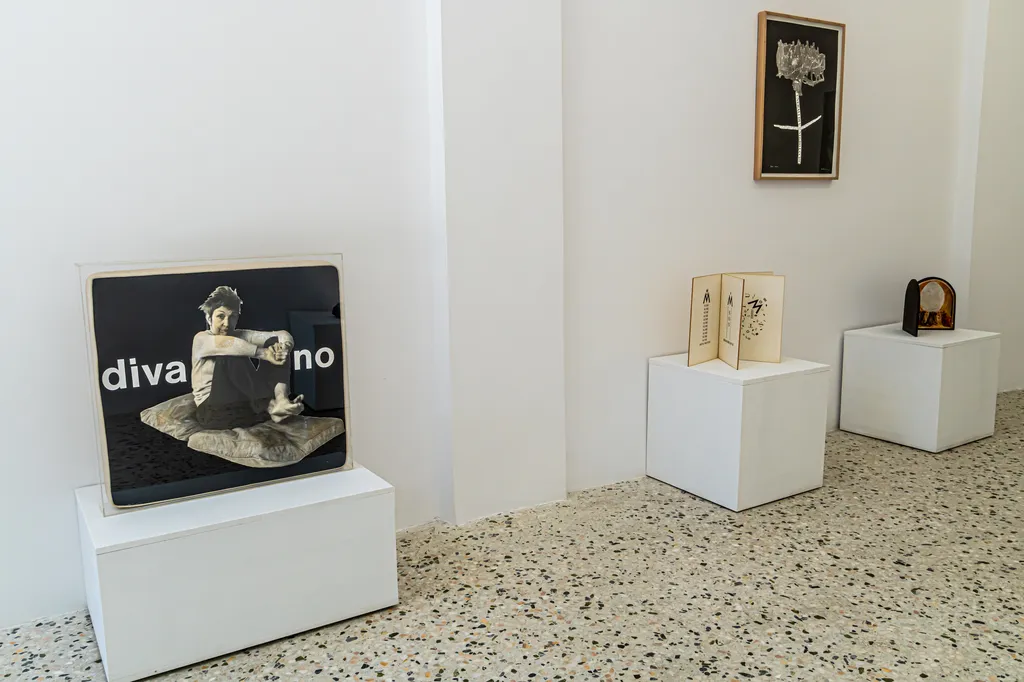
Tra i numerosi temi esplorati dall'artista, quello del genere ha indubbiamente rivestito un ruolo fondamentale, come dimostrano molte delle sue opere esposte, tra cui: DIVA/NO, 1971, Lapide alla casalinga, 1974 o La cancellata, 1977-98. In queste opere, Bentivoglio afferma che l'emancipazione femminile è possibile, ma non scontata, come lei stessa ci ricorda: "c'era l'abitudine di considerare le donne esteticamente presenti solo come casalinghe; le scienziate erano riconosciute, ma non le artiste".
"Mentre l'immagine popolare della donna era quella di una persona che cuciva e si prendeva cura della famiglia, una sorta di angelo del focolare", afferma Davide Mariani, "per Bentivoglio questo concetto doveva essere ribaltato rivendicando un nuovo ruolo nella società".
Questo concetto è sintetizzato nella scritta iconica su una maglietta in "Correzione, promozione linguistica del cucito" (1988), che recita: "niente/abbiate paura, sono una donna".
L'altra faccia della luna
The exhibition provides an insight into the creative, yet scantily explored universe of numerous other women artists. There are works, photos and material from archives that Bentivoglio herself included in national and international events to highlight common denominators in verbo-visual art by artists such as: Tomaso Binga, Irma Blank, Francesca Cataldi, Betty Danon, Chiara Diamantini, Anna Esposito, Elisabetta Gut, Christina Kubisch, Maria Lai, Sveva Lanza, Paola Levi Montalcini, Lucia Marcucci, Silvia Meija, Valeria Melandri, Gisella Meo, Anna Paci, Giovanna Sandri, Greta Schödl and Simona Weller.
Secondo Paolo Cortese: «Indubbiamente l'attività curatoriale più rilevante di Bentivoglio, che ha letteralmente fatto storia, in particolare per le donne nel panorama delle arti visive, è stata quella di riunire ottanta artiste che lavoravano sul potenziale espressivo del "linguaggio e immagine" e del "linguaggio e oggetto" per esporle nella mostra "Materializzazione del linguaggio" alla Biennale di Venezia del 1978».
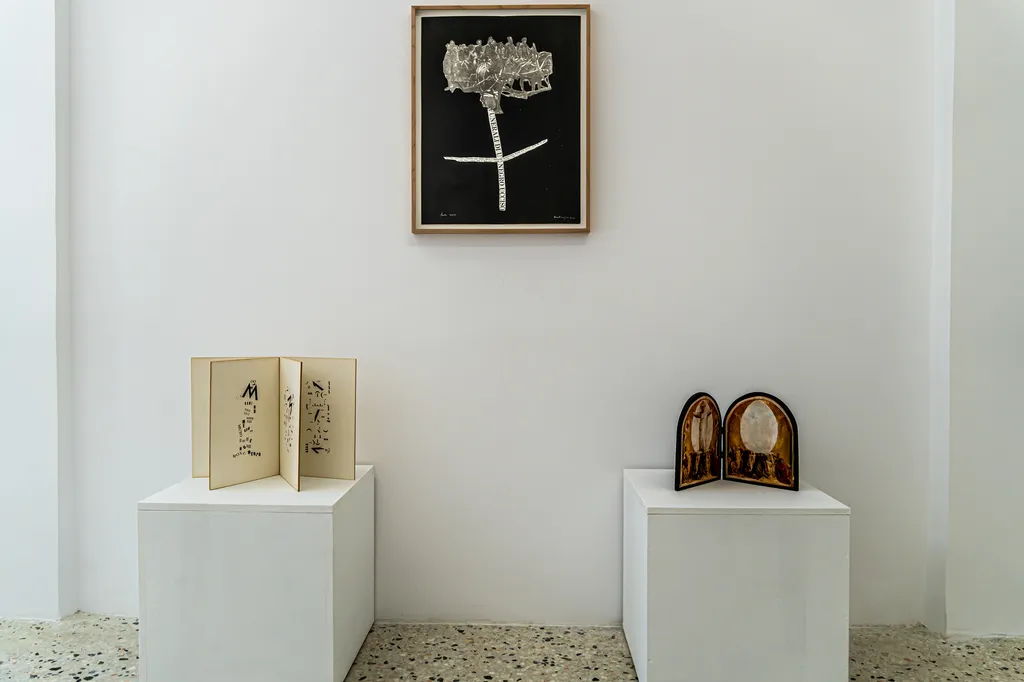
“La mostra The Other Side of the Moon deve gran parte della sua ispirazione a questa particolare esperienza”, conclude Mariani, “il titolo è preso in prestito da una pubblicazione Eos di un libro d’artista realizzato da Bentivoglio nel 2013. In una pagina lei sovrappone la superficie lunare alla Terra e nell'altra c'è una poesia inedita del 1978. I versi descrivono un satellite lunare femminile, inizialmente raffigurato come un corpo che orbita obbediente attorno al pianeta prima di annunciare, in tono ribelle, profeticamente: 'stiamo nascendo felici'”.
There is a bilingual catalogue to accompany the exhibition, in English and Italian, edited by Postmedia Books, with critical essays by Davide Mariani, Rosanna Ruscio and biographical and bibliographical information by Rosaria Abate.
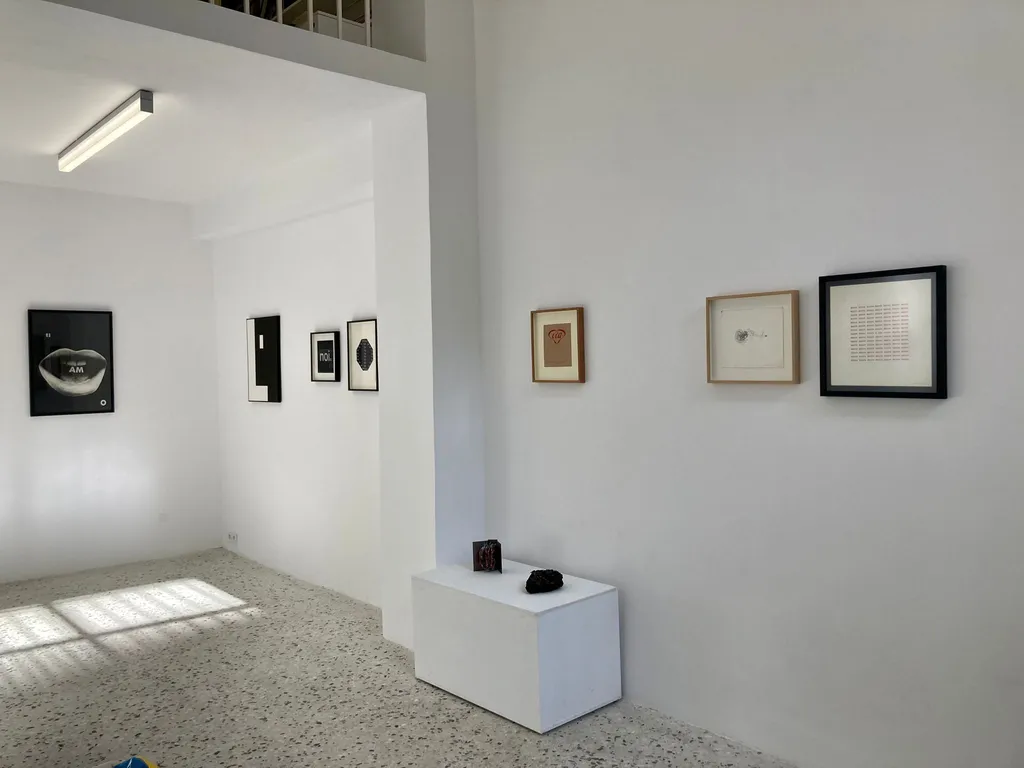
Immagini della mostra