Renata
Prunas
Biography
Renata Prunas was born in San Remo in 1933 into a prominent Sardinian family. After moving to Rome in 1966, she became part of the city’s dynamic avant-garde art scene. Influenced by American Abstract Expressionism, particularly through the legacy of Rothko and her friendship with Salvatore Emblema, Prunas developed a unique artistic language focused on the relationship between form, color, and material.
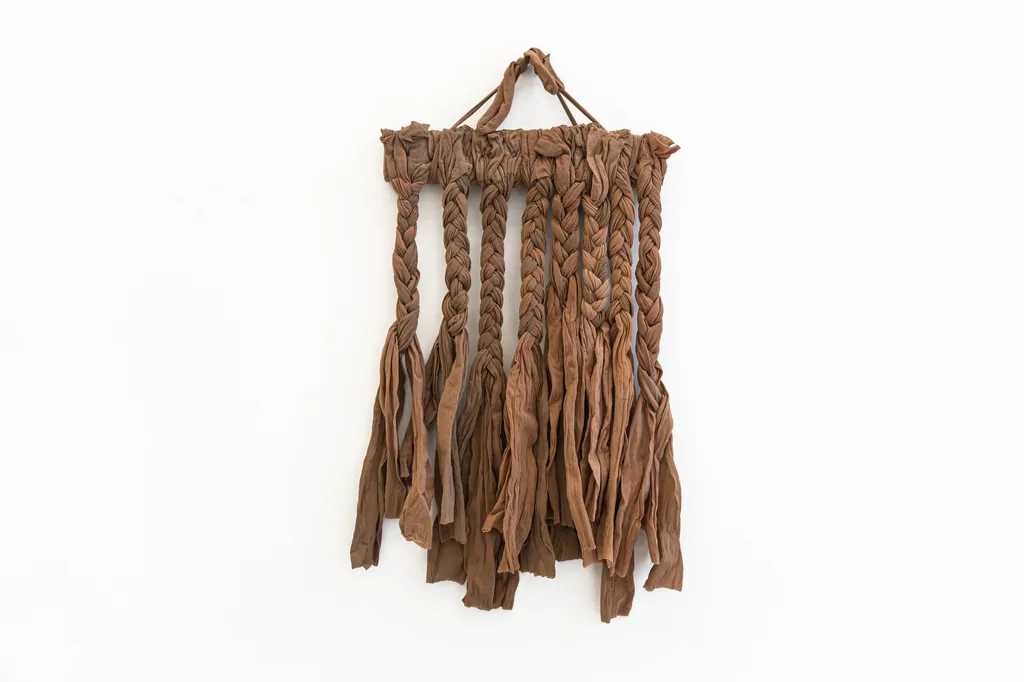
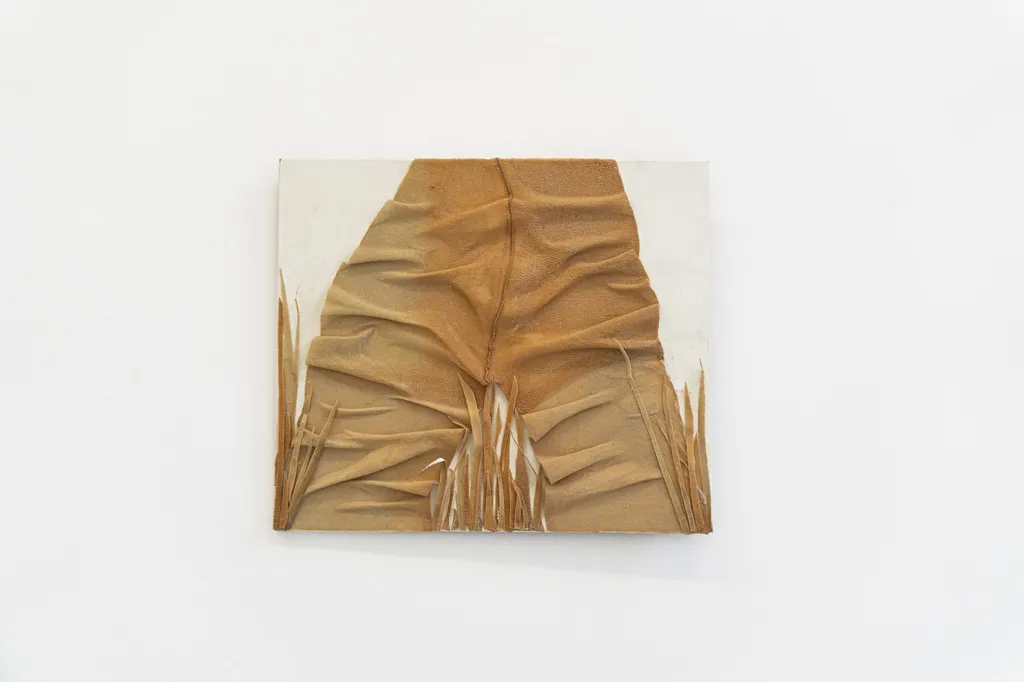
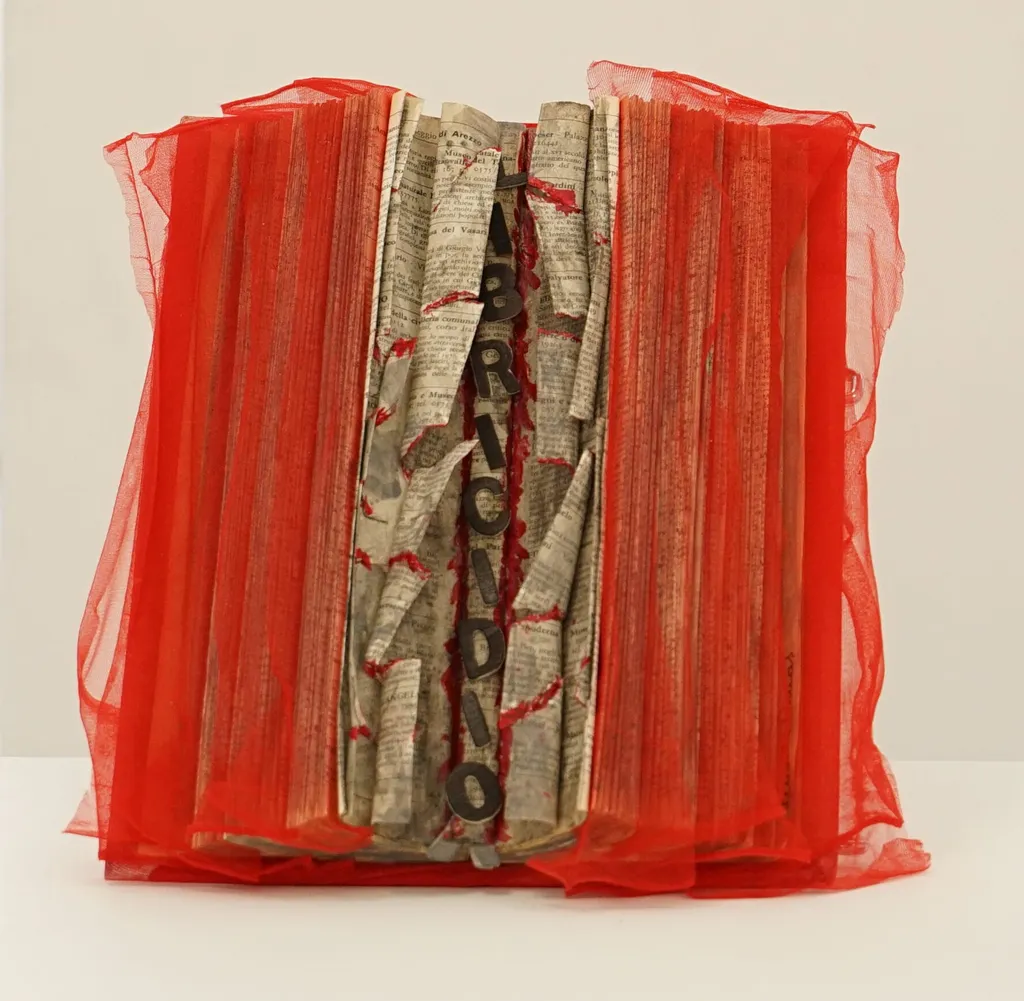
Between 1966 and 1976, cork became the core medium of her work: a material chosen for its contrasting qualities of visual weight and physical lightness. Her monochrome canvases with circular cork forms evoke cellular structures and organic rhythms, blending scientific imagery with emotional resonance. In 1977, she began replacing the canvas with nylon stockings, creating works she described as “second skins.” These pieces explore themes of transparency, vulnerability, and the feminine body, marking a shift toward a more sculptural and introspective dimension. Across her career, Prunas has pursued a vision that merges poetic sensitivity with material experimentation, always seeking a balance between discipline and freedom.

Critical text
"The Sardo-Neapolitan author Renata Prunas does not identify herself as an artist by definition. The key piece of art Campionario (1979) shows the multiple plastic-visual possibilities of a material that Prunas makes her medium of choice:nylon tights, an industrial product and an everyday life item at the same time. Campionario consists of 20 wooden frames of 35x25 centimeters kept inside a wooden box, where each frame shows nylon veils that have been knotted, sewn, torn, left intact, cut, inverted, overlaid, stretched, or left shapeless from using themThese veils form bizarre geometric shapes, given by the fibre mesh rhythm. They reveal representations of egg cells, stunned breasts, umbilical cords, braids as an ex voto, baby birth ribbons, placentas, twisted bowels, and oculi. Each frame, extracted from the darkness of the box, emerges from a condition of a chthonic, uterine darkness. As in a maieutic operation, the frame offers itself to a reading by coming to light, like the reading of a slide. The image, crossed with light, shows a motif composed of a dense grid of nylon threads as if it was carved. The shapes, which belong to a familiarly feminine lexicon, reveal a deep sense of pain, restrained and stopped by the knots that mould the nylon tights shape."
_Federica Maria Itria Scano
Works