Mirella Bentivoglio
Metamorfosi
A cura di: Davide Mariani
La Galleria Gramma Epsilon è lieta di presentare un progetto monografico dedicato a Mirella Bentivoglio, nell’ambito della sezione «Back to the Future» di Artissima. Attualmente protagonista di due retrospettive in Italia, l’opera di Bentivoglio è al centro della partecipazione di Gramma Epsilon ad Artissima. La rappresentanza delle artiste donne è la missione principale della galleria – nonché una delle missioni di Mirella in qualità di curatrice – con l’auspicio di affrontare la discriminazione nel mercato dell’arte internazionale e di portare equilibrio tra i generi.
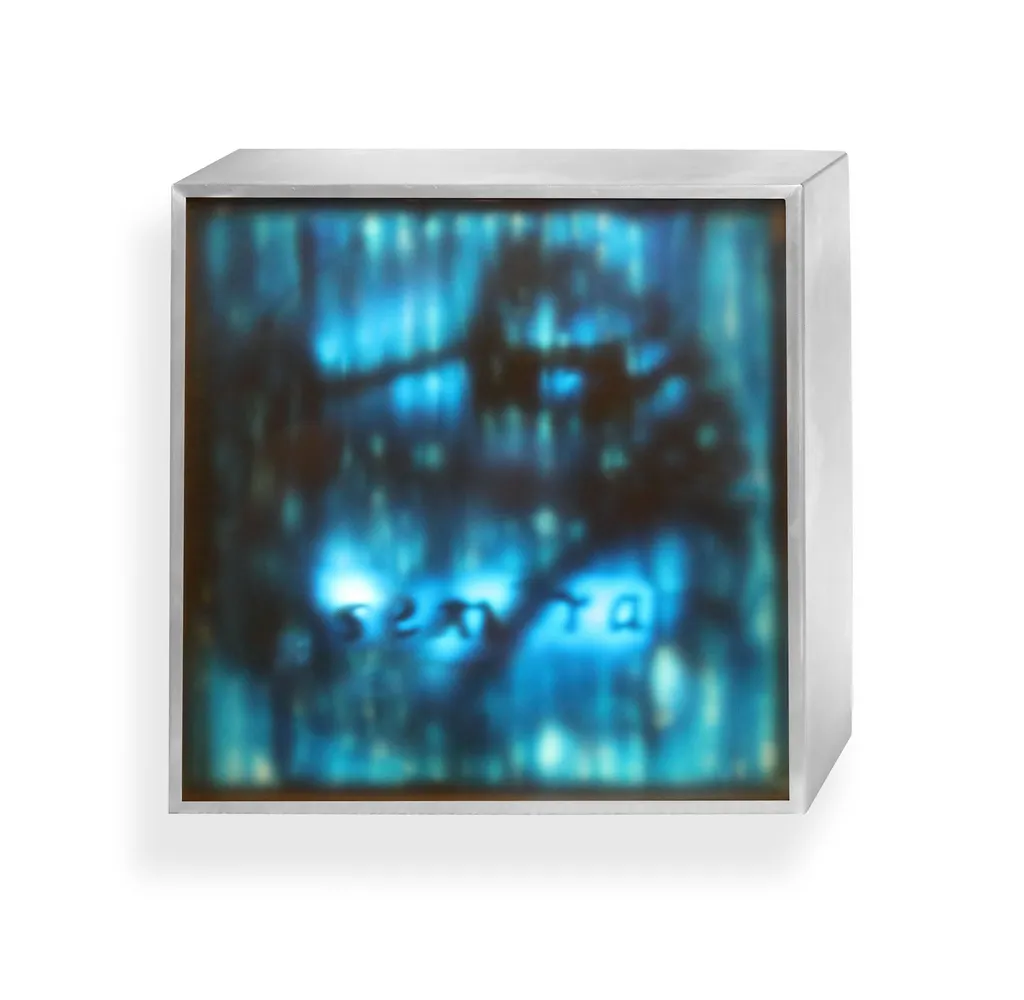
The monographic project ‘Metamorphosis’, curated by Davide Mariani, seeks to highlight, in the centenary of her birth, the most significant aspects of the poetry of Mirella Bentivoglio, a sensitive and visionary artist who played a pioneering role in verbo-visual research at the turn of the sixties and seventies, through a selection of her most significant artworks created in almost fifty years of activity, which raise issues and reflect on topics that are more relevant than ever today.
Bentivoglio often questioned social customs, but the spread of consumerism was perhaps where she directed her most scathing criticism, to be seen in works such as The Heart of the Obedient Female Consumer, 1975, and in her witty interpretation of the Coca Cola logo, in which she coherently combines awareness and distancing, linked with a thread of ambiguity: “I noticed that by placing the two letter ‘C’s opposite each other to form a heart shape, and they were ready to form the shape (I didn’t have to change anything), the ‘oca’ (female goose) appeared by itself“ explained Bentivoglio in one of her last interviews, in which she identifies the ‘female goose’ (donna-oca) as the main ally of consumerism.
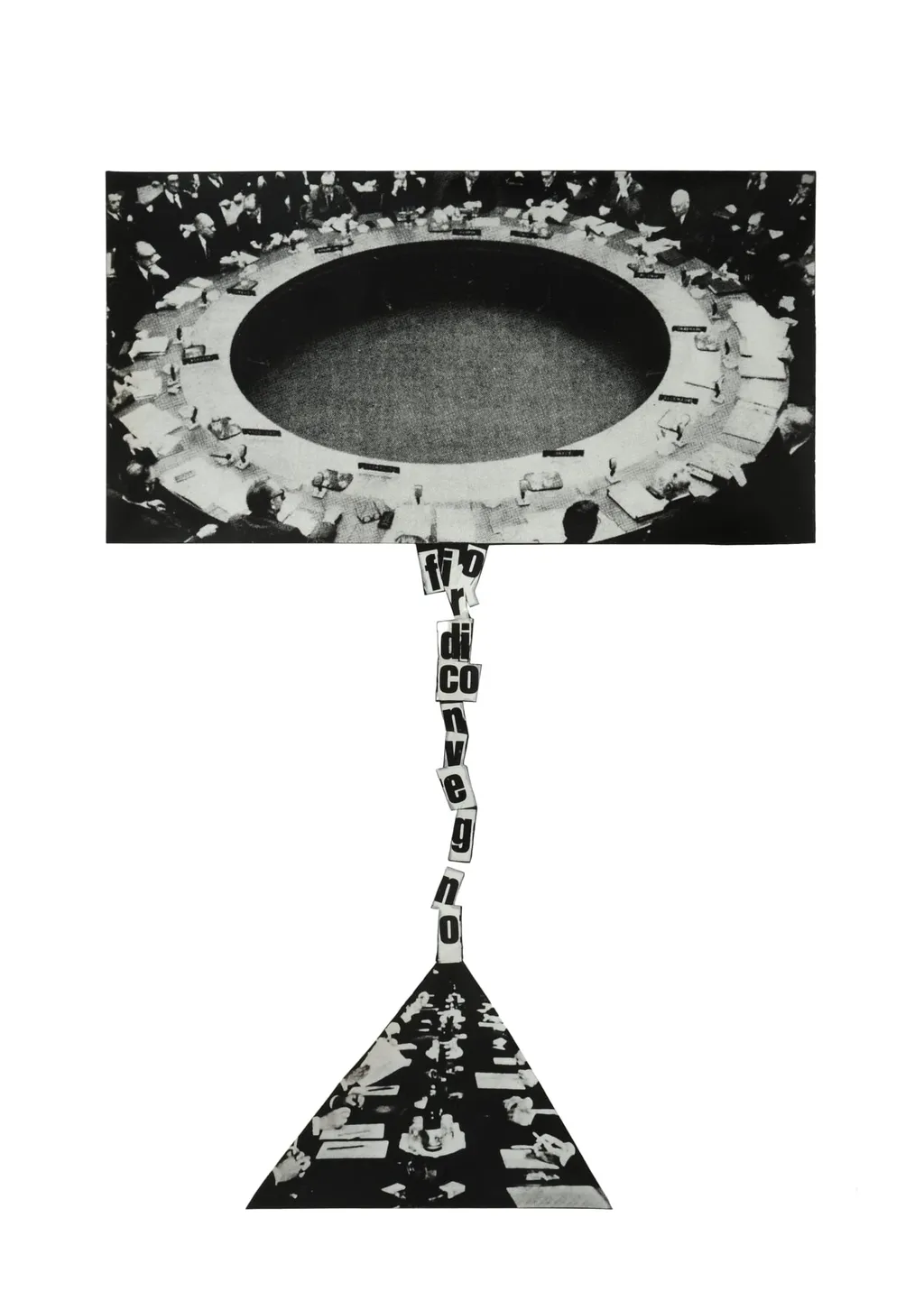
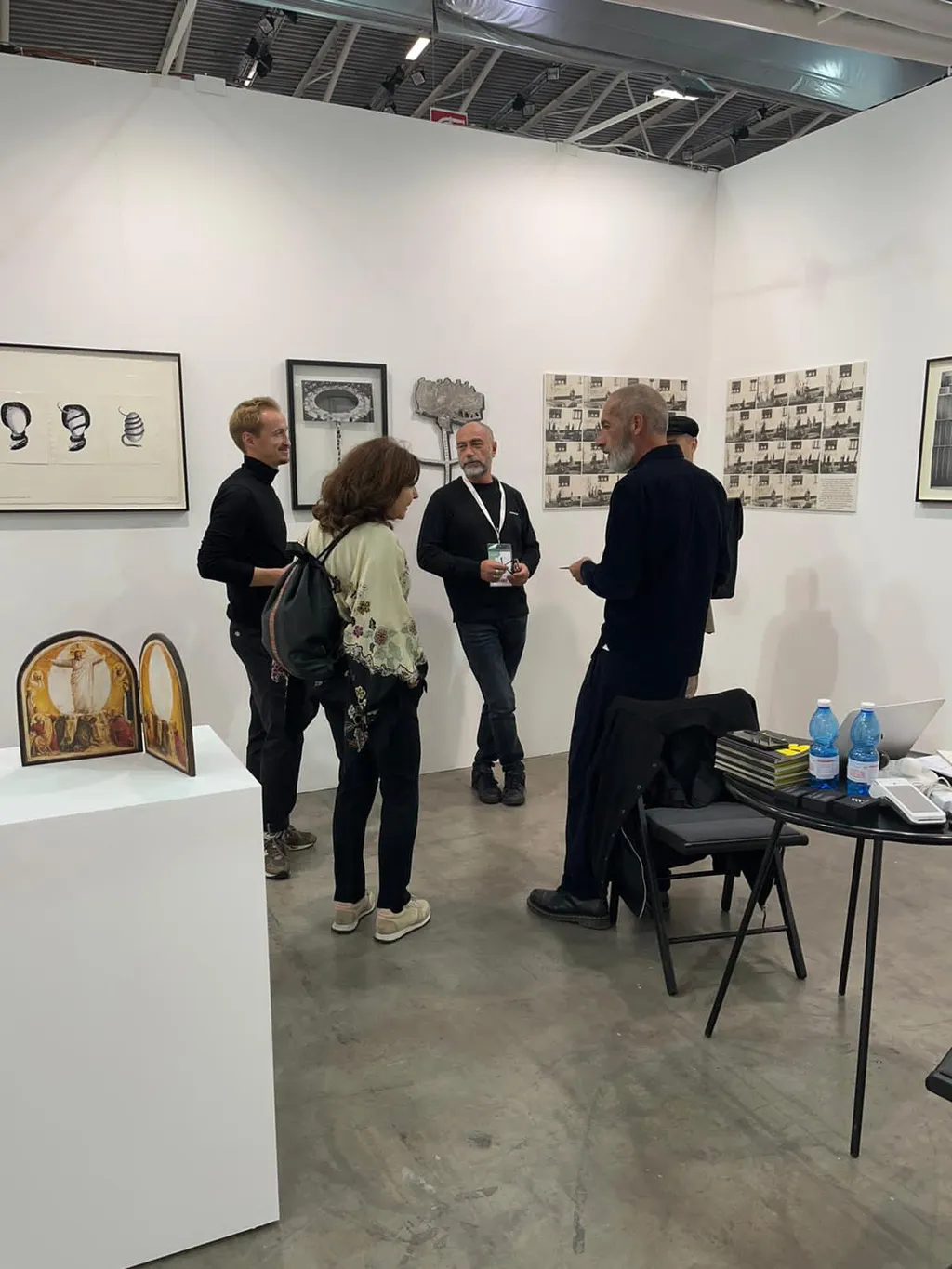
The exhibition aims to retrace the essential stages which have marked Bentivoglio’s artistic and curatorial journey, starting from her initial experiments carried out in the field of ‘concrete poetry’, in which meaning is conveyed by the shape of the composition of letters and words - as seen in History of Monument (created with Annalisa Alloatti in 1968, an edition of which is exhibited in the ‘The Milk of Dreams’ exhibition at the 2022 Venice Art Biennial) - and her ‘visual poetry’, often characterized by juxtaposing slogans and visual elements, such as in Black Flower, 1971. This particular work, consisting of a collage arranged in the shape of a flower, made from old newspaper clippings which report the news of the killing of a young African American by a white policeman, is an intentional statement against discrimination and social inequalities (....).

Another of the artist’s themes is gender identity, and from the early seventies she began to underline, using subtle linguistic games, the subordination of women within a world, including the art world, made for the use and consumption of men.
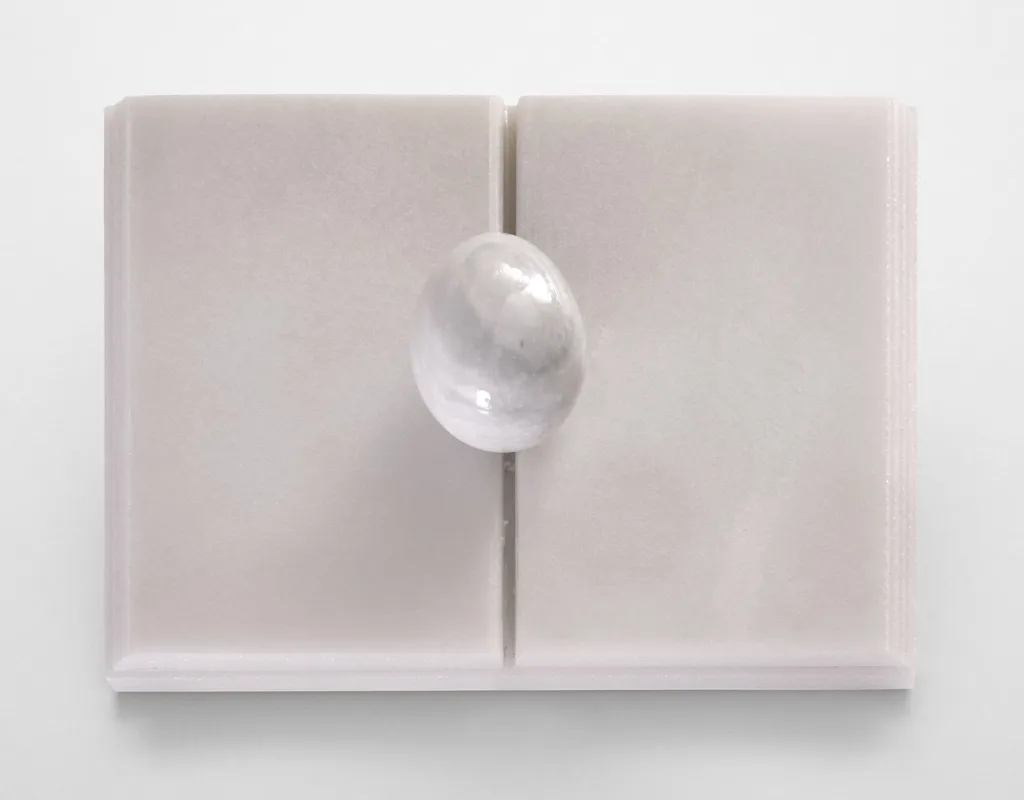
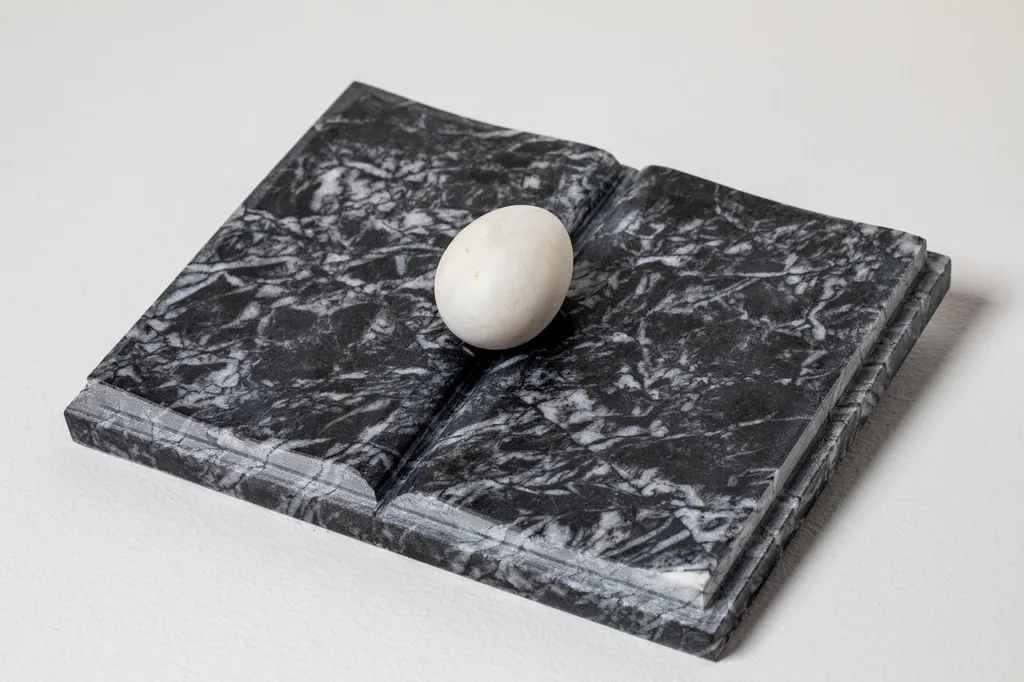
Alongside the experiments she carried out through visual poetry, Bentivoglio produced a series of book-objects and continued to explore this artform in a variety of ways throughout her career. It became apparent to her that a book, even as an object, can express a universal language.
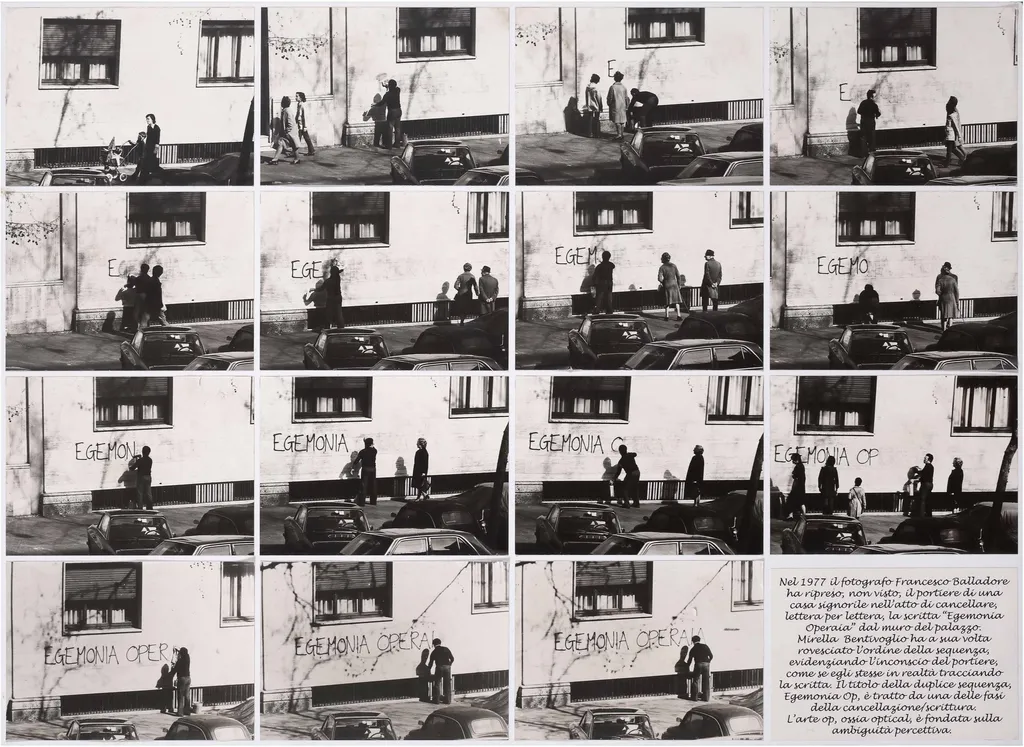
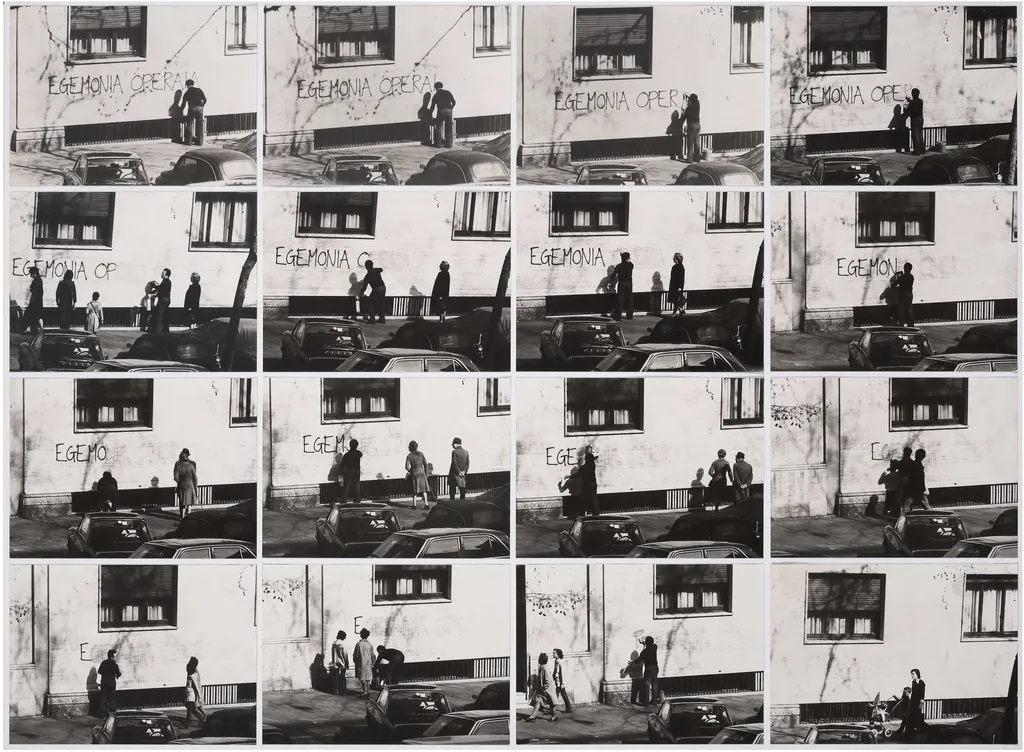
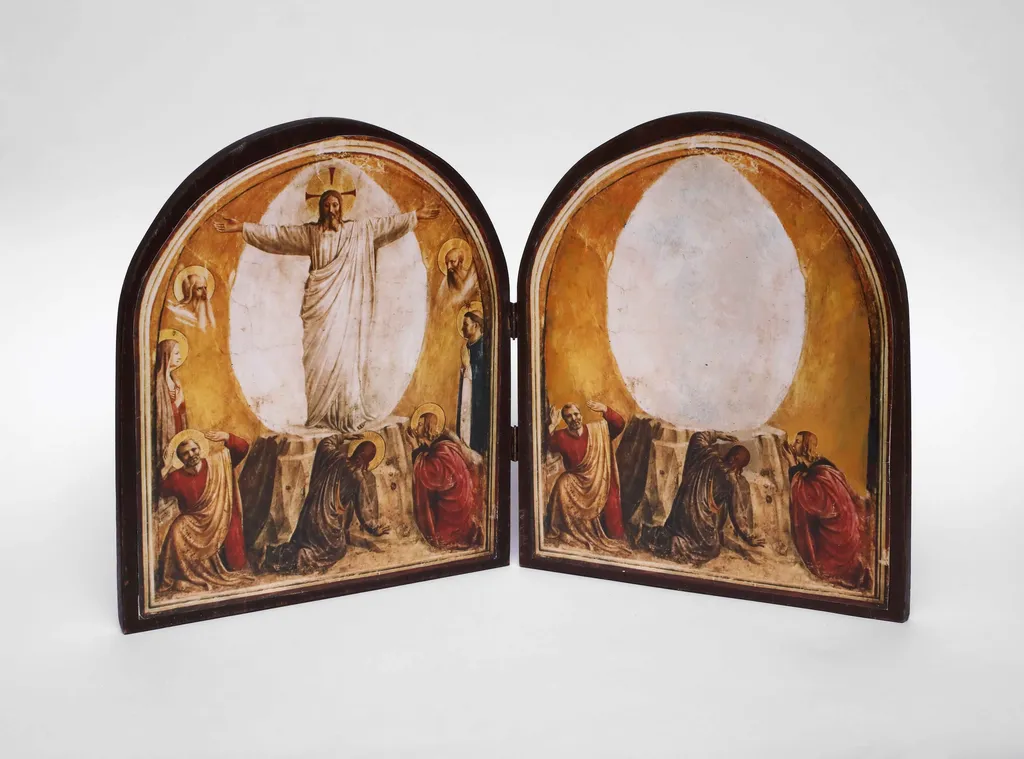
Much of Mirella Bentivoglio’s artistic journey involved the conceptual and material action of ‘deconstructing’ in order to re-build or re- reconstruct, so as to transform and change the relationships that lead to form, in a sort of continuous and constant metamorphosis. As seen in her works such as ‘The symbol engraved in the unconscious’, 1992 (....) in which the face of a young woman progressively transforms into an egg with a snake, or in ‘Danza Macabre’, 1995, in which the straps of the electric chair are transformed into the silhouettes of two obscure characters carrying out what the artist defines as a mournful ballet.
During her long creative journey, Mirella Bentivoglio effectively ‘broke up’ words, expressions, schemes and concepts, not only to generate new meaning but, especially, to unveil the deep sense of nature and culture, and thereby introduce new points of view and interpretations of our surrounding reality.
Immagini della mostra